How Does a Hydrus Glaucoma Stent Work?
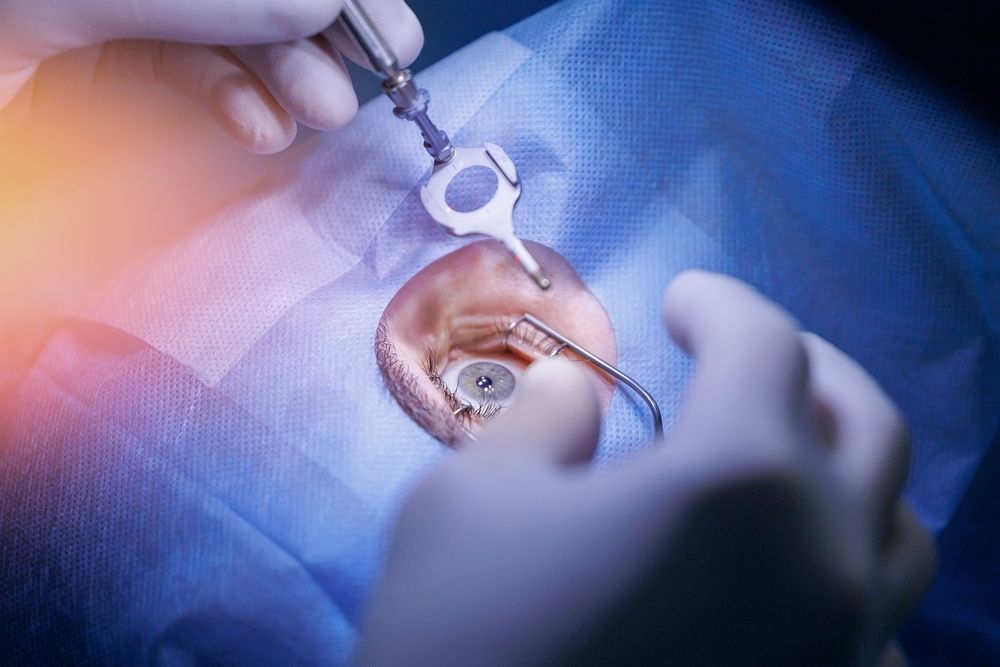
Glaucoma is a leading cause of vision loss worldwide, often resulting from elevated pressure inside the eye (intraocular pressure). When fluid doesn’t drain properly, pressure builds and can damage the optic nerve. One of the latest innovations to help manage this pressure is the Hydrus Microstent - a tiny implant designed to improve fluid flow within the eye and reduce the need for long-term medications.
What Is the Hydrus Microstent?
The Hydrus Microstent is a small, flexible implant used in the treatment of mild-to-moderate open-angle glaucoma, typically placed during cataract surgery. It belongs to a class of procedures known as Minimally Invasive Glaucoma Surgery (MIGS). These procedures aim to lower eye pressure with less tissue disruption and quicker recovery than traditional glaucoma surgeries.
How It Helps the Eye Drain Fluid
In a healthy eye, fluid called aqueous humor flows through the front of the eye and drains out through a natural channel system that includes the trabecular meshwork and Schlemm’s canal. In glaucoma, resistance at the trabecular meshwork or collapse of the drainage channel makes fluid exit less efficient, which increases pressure inside the eye.
The Hydrus Microstent is carefully implanted into Schlemm’s canal - the eye’s primary drainage channel. Once in place, it works in several ways to improve fluid movement:
- Bypassing resistance: The Hydrus creates a direct pathway for aqueous humor to pass from the anterior chamber into Schlemm’s canal, bypassing some of the trabecular meshwork where blockage often occurs.
- Supporting the canal: Because of its curved design, it gently opens and scaffolds a portion of Schlemm’s canal (approximately 90° of the circular channel), helping it stay open and increasing access to downstream collector channels.
- Enhancing natural outflow: By improving access and keeping the drainage pathway open, the stent enhances the eye’s natural fluid outflow, which in turn reduces intraocular pressure.
This multi-faceted approach can lead to better pressure control and often reduces dependence on daily glaucoma eye drops.
The Implantation Experience
Hydrus stent placement is typically performed at the same time as cataract surgery, using the same microscopic incision. The device is precisely positioned with the help of special visualization techniques; once implanted, it generally cannot be seen or felt by the patient. Because the procedure is minimally invasive and uses the eye’s normal drainage channels, it often carries a lower risk of complications compared with traditional glaucoma surgeries.
Who May Benefit?
The Hydrus Microstent is most often recommended for adults with mild-to-moderate open-angle glaucoma - especially those scheduled for cataract surgery who wish to improve pressure control and potentially decrease glaucoma medications. A comprehensive eye exam helps your doctor determine whether Hydrus is a suitable option for your individual needs.
Explore Advanced Glaucoma Solutions at Reeve Woods Eye Center
The Hydrus Microstent is an advanced, minimally invasive option that uses the eye’s own drainage pathways to lower intraocular pressure. By bypassing resistance in the trabecular meshwork and supporting Schlemm’s canal, it helps restore fluid flow and improve pressure control - often reducing reliance on glaucoma medications. Together with traditional treatments like medications and laser therapy, the Hydrus stent offers a valuable tool in managing glaucoma and preserving vision.
If you or a loved one has been diagnosed with glaucoma and are curious about the Hydrus Microstent or other pressure-lowering options, schedule a consultation with the experts at Reeve Woods Eye Center. Visit our office in Chico, California, or call (530) 899-2244 to schedule an appointment.



Powered by:

Contact Info
Office Hours
Monday 8:00am - 5:00pm
Tuesday 8:00am - 5:00pm
Wednesday 8:00am - 5:00pm
Thursday 8:00am - 5:00pm
Friday 8:00am - 12:00pm
Saturday Closed
Sunday Closed