Comprehensive Eye Exam

A comprehensive eye exam is the most complete way to understand both your vision and your overall eye health. Many people assume that passing a vision screening means their eyes are healthy, but a screening offers only a small piece of the full picture.
If you’ve had a vision screening recently, you might say, “My vision is fine! I don’t need a comprehensive eye exam.” However, a comprehensive exam goes far beyond what a basic screening can evaluate.
What a Comprehensive Eye Exam Includes
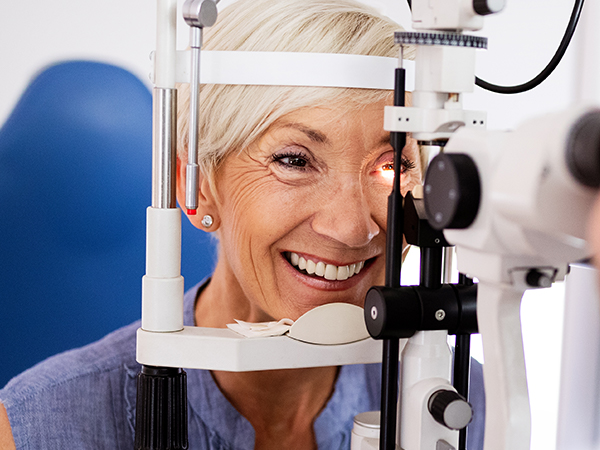
Comprehensive eye exams assess all aspects of your vision and eye health. Your doctor examines your eyes externally and internally for any signs of disease, then evaluates how your eyes function.
External Exam - An evaluation of the whites of your eyes, the iris, pupil, eyelids, and eyelashes.
Internal Exam - An examination of the retina and optic nerve while your eyes are dilated.
Visual Function and Eye Health Testing - Testing includes depth perception, color vision, peripheral vision, and the response of the pupils to light, along with evaluating eye focusing, eye teaming, and eye movement abilities.
Glaucoma Testing - A test of fluid pressure within your eyes to check for the possibility of glaucoma.
Visual Acuity - Your doctor will test your vision with different lenses to determine if glasses or contact lenses can improve your vision.
A Comprehensive Approach to Eye Health
Comprehensive eye exams also take into account your total health history. Even though you visit a separate office for your eye care, your eyes are still evaluated in the context of your overall health. Your eye doctor will discuss your overall health and that of your immediate family, any medications you’re taking, and whether you have high blood pressure or diabetes. They will also want to know if you smoke and how much sun exposure you get. All these factors help the eye doctor properly assess your eye health.
The American Optometric Association recommends an eye exam every two years if you aren’t having any problems and you’re aged 18–60. After the age of 61, you should schedule a comprehensive exam annually or as recommended by your eye doctor.

How Vision Screenings Fit In
Vision screenings can give a quick snapshot of how clearly you see at a distance, but they are not a substitute for a comprehensive exam. They are similar to getting your blood pressure taken without completing the rest of your annual physical—you gain some useful information, but it’s not the whole picture.
What Screenings Measure
Screenings test only visual acuity, which is just one factor in your vision. They do not check color vision, peripheral vision, depth perception, close-up focusing, or how well the eyes work together. They also don’t provide any information about the health of the eyes.
Who Performs Screenings
Screenings are offered in many settings—schools, health fairs, as part of a work physical, or for a driver’s license. Even when your physician conducts the screening, he or she is a generalist with only a certain amount of eye health training. Most individuals who conduct screenings do not have the tools or knowledge to give you a complete assessment of your vision or eye health.
Equipment Limitations
In some cases, a vision screening is limited to an eye chart across the room. Even when conducted in a physician’s office, they won’t have the extensive testing equipment of an eye doctor. They also may not be aware of nuances such as room lighting and testing distances, both of which can affect test results.


Powered by:

Contact Info
Office Hours
Monday 8:00am - 5:00pm
Tuesday 8:00am - 5:00pm
Wednesday 8:00am - 5:00pm
Thursday 8:00am - 5:00pm
Friday 8:00am - 12:00pm
Saturday Closed
Sunday Closed