What Is LASIK? A Simple Guide to Vision Correction Surgery
LASIK is one of the most well-known vision correction procedures for people who want to reduce dependence on glasses or contact lenses. If you are nearsighted, farsighted, or have astigmatism, LASIK may be an option to help improve how light focuses inside the eye.
At Reeve Woods Eye Center in Chico, we help patients understand their vision correction options and whether LASIK, PRK, refractive lens exchange, or another procedure may be the right fit.
How LASIK Works
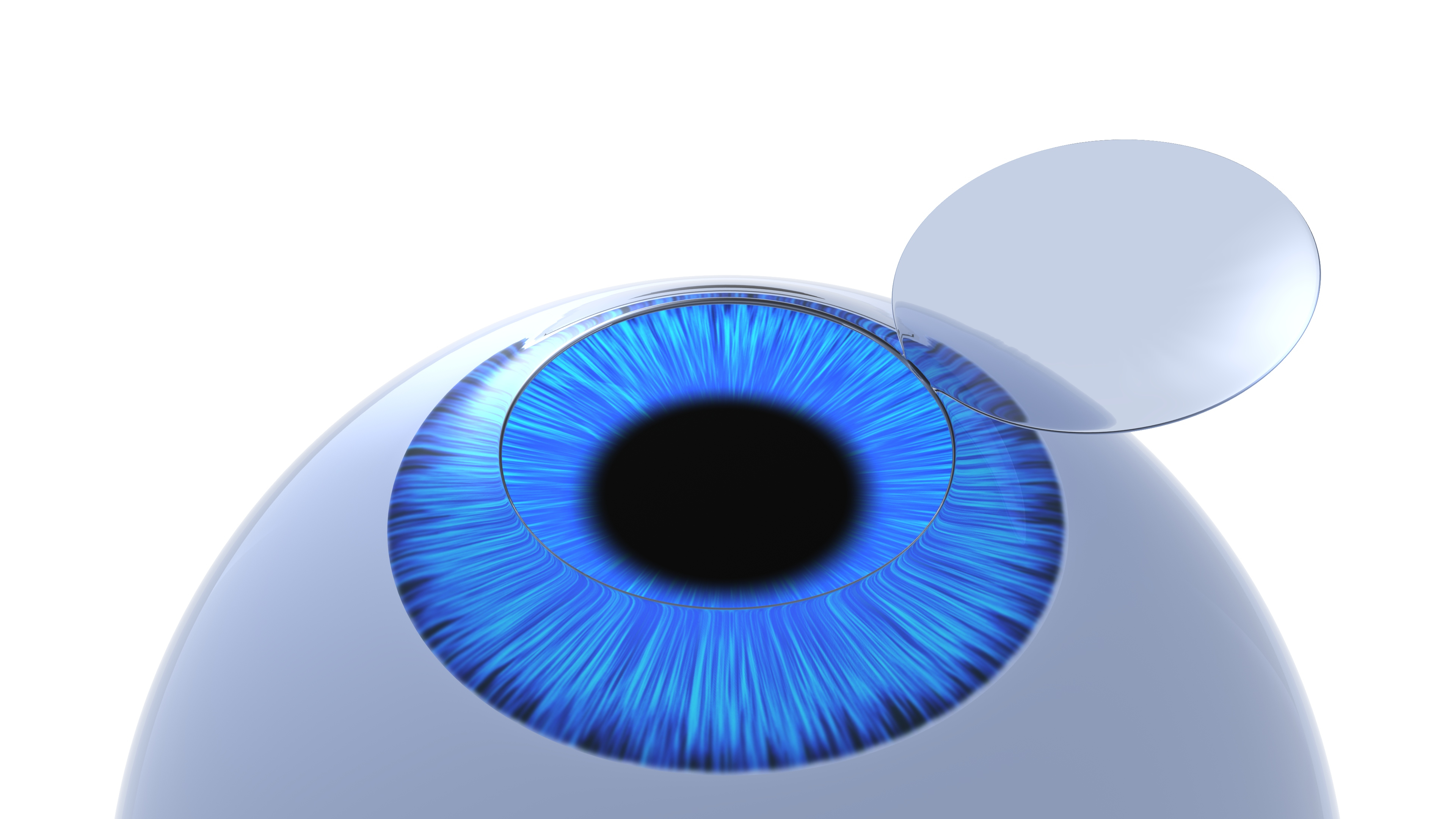
LASIK stands for laser-assisted in situ keratomileusis. During the procedure, a laser is used to reshape the cornea, which is the clear front surface of the eye. The cornea helps focus light onto the retina. When the cornea’s shape does not match the eye’s focusing needs, vision can appear blurry.
By carefully reshaping the cornea, LASIK can help correct common refractive errors. This may allow patients to see more clearly without relying as much on glasses or contact lenses.
What LASIK Can Correct
LASIK is often used to treat nearsightedness, farsightedness, and astigmatism. Nearsightedness makes distant objects appear blurry. Farsightedness can make near tasks more difficult. Astigmatism can cause distorted or shadowed vision at multiple distances.
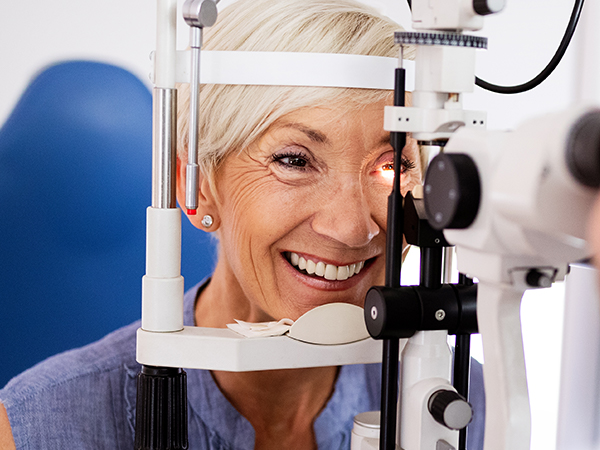
A LASIK consultation in Chico includes detailed testing to determine whether your prescription and eye health make you a good candidate. Not everyone qualifies, and that is why a thorough evaluation is so important.
What Happens During A LASIK Evaluation?
Before LASIK is recommended, your eye doctor needs to evaluate more than your glasses prescription. The health, thickness, and shape of your cornea matter, as do your tear film, pupil size, eye pressure, and overall eye health.
Your evaluation may include:
- A review of your prescription stability
- Corneal measurements and mapping
- Dry eye testing
- Eye health screening
- Discussion of your vision goals
- Review of your medical and surgical history
- Explanation of procedure options and expectations
These steps help determine whether LASIK is safe and appropriate for your eyes.
Is LASIK Painful?
Most patients are surprised by how quick LASIK is. Numbing eye drops are used before the procedure, so patients typically feel pressure rather than pain. The laser portion usually takes a short amount of time, though you should expect to be at the office longer for preparation and post-procedure instructions.
After LASIK, some dryness, light sensitivity, tearing, or mild irritation can happen during early healing. Your care team will explain how to use your drops, what activities to avoid, and when to return for follow-up visits.
How Long Does Recovery Take?
Many patients notice clearer vision within a day or two, but healing continues over time. Vision may fluctuate temporarily, especially during the first few weeks. Follow-up appointments are important to monitor healing and make sure the eyes are responding as expected.
Patients in Chico who work on screens or have visually demanding jobs should talk with their doctor about what to expect after surgery and how to plan for recovery.
Who May Not Be A Candidate?
LASIK may not be right for patients with unstable prescriptions, thin or irregular corneas, certain eye diseases, severe dry eye, or some medical conditions. Pregnancy, nursing, and certain medications may also affect timing.
If LASIK is not the best option, that does not mean you are out of choices. PRK, implantable contact lenses, cataract surgery, or refractive lens exchange may be better suited for certain patients. The goal is to choose the safest and most effective vision correction plan for your eyes.
Why A Personalized Consultation Matters
LASIK is not a one-size-fits-all procedure. A personalized consultation helps you understand your options, risks, benefits, and realistic outcomes. It also gives you time to ask questions about cost, recovery, long-term results, and whether LASIK fits your lifestyle.
To learn more about LASIK and vision correction surgery, contact Reeve Woods Eye Center in Chico, CA at 280 Cohasset Rd, Chico, CA 95926, or call (530) 899-2244 to schedule a consultation.


Powered by:

Contact Info
Office Hours
Monday 8:00am - 5:00pm
Tuesday 8:00am - 5:00pm
Wednesday 8:00am - 5:00pm
Thursday 8:00am - 5:00pm
Friday 8:00am - 12:00pm
Saturday Closed
Sunday Closed